
 SEO EXPERT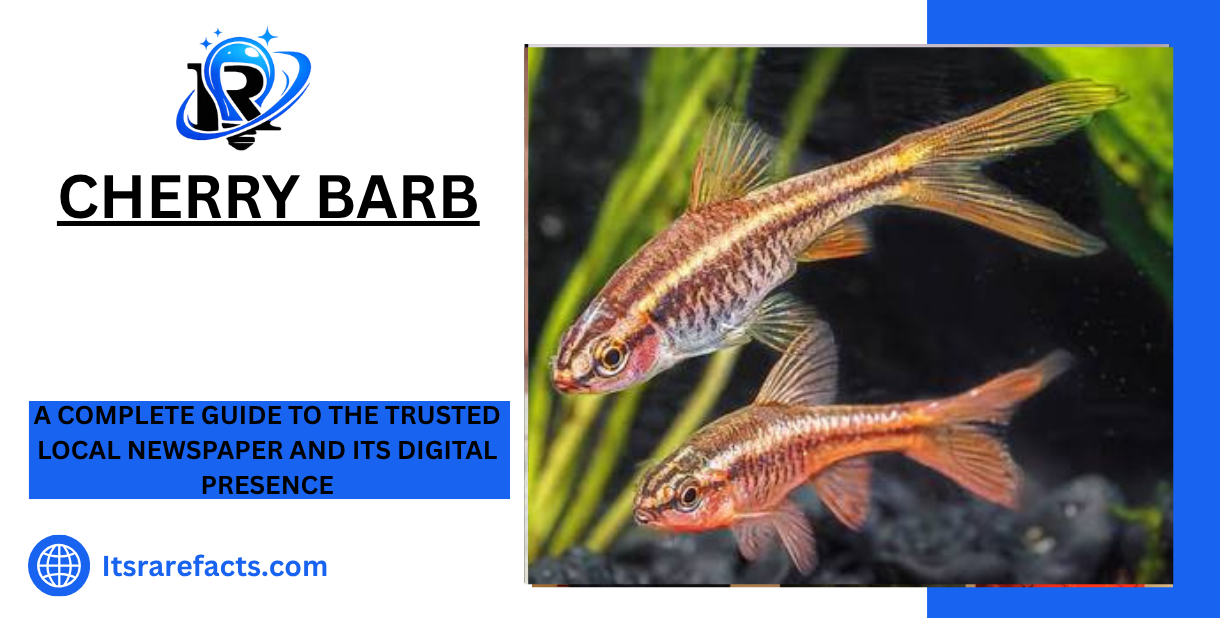
If you’re looking for a freshwater fish that’s peaceful, colorful, and surprisingly easy to care for, the cherry barb deserves a spot on your shortlist. These small fish have been popular among aquarium enthusiasts for decades, and it’s easy to understand why. They bring vibrant red colors, active swimming behavior, and a calm personality that fits well in many community tanks.
Whether you’re setting up your very first aquarium or expanding an established one, a cherry barb can be a rewarding addition. While they aren’t as flashy as some exotic tropical fish, there’s something genuinely charming about watching a healthy group glide through a planted aquarium. Their colors become even more impressive when they’re comfortable, making them one of those fish that seem to improve with proper care.
Overview
| Feature | Details |
|---|---|
| Common Name | Cherry Barb |
| Scientific Name | Puntius titteya |
| Family | Cyprinidae |
| Origin | Sri Lanka |
| Adult Size | 2–2.5 inches (5–6.5 cm) |
| Lifespan | 4–7 years |
| Temperament | Peaceful and social |
| Care Level | Easy |
| Diet | Omnivore |
| Water Temperature | 72–79°F (22–26°C) |
| pH Range | 6.0–7.5 |
| Tank Size | Minimum 20 gallons |
| Best Tank Setup | Planted community aquarium |
| Suitable for Beginners | Yes |
What Is a cherry barb?
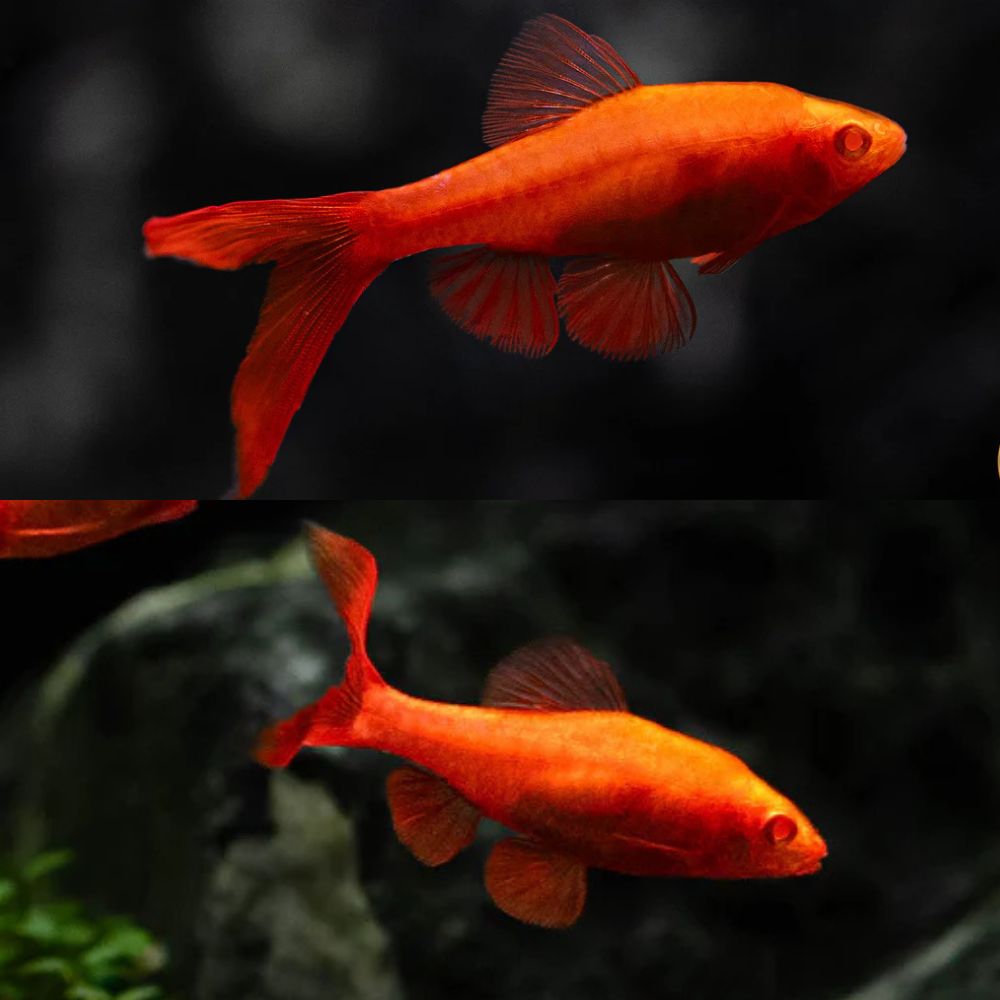
The cherry barb is a small tropical freshwater fish native to the slow-moving streams and shaded waterways of Sri Lanka. It belongs to the carp family and has become one of the most popular fish in the aquarium hobby because of its beautiful appearance and easy-going temperament.
Male cherry are famous for their rich cherry-red coloration, especially during breeding periods. Females tend to display softer gold or bronze colors with a darker horizontal stripe running along the body. This difference makes it fairly easy to tell males and females apart once they reach maturity.
Unlike some tropical fish that require constant attention, cherry barb adapt well to a variety of aquarium conditions, provided those conditions remain stable.
Why Are People Searching for cherry barb?
Interest in cherry has grown steadily over the past few years for several reasons.
Many new aquarium owners are searching for fish that are attractive without being difficult to care for. Cherry fit that description almost perfectly. They’re peaceful, relatively hardy, and don’t demand expensive equipment or highly specialized care.
Another reason is the growing popularity of planted aquariums. Since cherry barb naturally live among aquatic vegetation, they look especially stunning in tanks filled with live plants, driftwood, and natural decorations. Social media videos showcasing beautifully aquascaped tanks have also introduced these fish to a new generation of hobbyists.
People also appreciate that cherry coexist peacefully with many other community fish, making them an excellent option for mixed aquariums.
How Does a cherry barb Behave?
One of the nicest qualities of a cherry is its calm personality.
These fish prefer swimming in small schools, usually consisting of at least six individuals. Keeping them in groups helps reduce stress and encourages more natural behavior. Interestingly, males often display brighter colors when competing gently for the attention of females.
Although they’re active swimmers, they rarely become aggressive. Most of their time is spent exploring plants, searching for food, or swimming together throughout the middle section of the aquarium.
A stressed or isolated cherry barb may become shy and hide more frequently. That’s one reason experienced aquarists recommend avoiding single specimens whenever possible.
Key Features of cherry barb
Brilliant Coloration
Healthy males develop deep red colors that can become almost glowing under proper lighting. Their vibrant appearance makes them stand out even in heavily planted tanks.
Peaceful Nature
Cherry barbs generally ignore other fish and prefer peaceful interactions, making them suitable companions for numerous community species.
Beginner-Friendly Care
They tolerate minor fluctuations better than many delicate tropical fish, although stable water conditions always produce the best results.
Small Adult Size
Growing only around two inches long, they don’t require enormous aquariums, though they still appreciate swimming space.
Active Yet Calm
Their movement adds life to the aquarium without creating chaos. They’re constantly exploring but rarely disturb other inhabitants.
Setting Up the Ideal Tank
Creating a comfortable environment isn’t particularly difficult, but a few thoughtful choices make a noticeable difference.
Aquarium Size
A 20-gallon aquarium works well for a small school. Larger tanks provide more swimming room and greater water stability, which benefits virtually every freshwater fish.
Plants and Decorations
Live plants are strongly recommended.
Dense vegetation gives cherry barbs places to hide and helps them feel secure. Java fern, Anubias, Amazon swords, Vallisneria, and Java moss all make excellent choices.
Adding driftwood, rocks, and shaded areas creates a more natural environment that resembles their native habitat.
Water Parameters
Stable water quality matters more than chasing exact numbers.
Aim for:
- Temperature: 72–79°F (22–26°C)
- pH: 6.0–7.5
- Moderate water hardness
- Low ammonia and nitrite levels
- Regular weekly water changes
A quality filter with gentle water flow works best because cherry barbs naturally inhabit calmer waters.
Feeding cherry barb
Cherry barbs are omnivores with healthy appetites.
They enjoy a varied diet consisting of:
- High-quality tropical flakes
- Micro pellets
- Frozen bloodworms
- Brine shrimp
- Daphnia
- Vegetable-based foods
- Blanched spinach or zucchini occasionally
Offering different foods throughout the week keeps them healthy and often improves their coloration.
Avoid overfeeding. Small portions once or twice daily are generally enough, with food being consumed within a couple of minutes.
Best Tank Mates
One reason the cherry barb remains popular is its compatibility with many peaceful species.
Some excellent companions include:
- Neon tetras
- Ember tetras
- Harlequin rasboras
- Corydoras catfish
- Kuhli loaches
- Honey gouramis
- Otocinclus catfish
- Zebra danios
- Other peaceful barbs
It’s generally wise to avoid aggressive fish such as large cichlids or species known for fin nipping.
Very large predators may also view cherry barbs as food rather than tank mates.
Breeding cherry barb
Breeding cherry barbs can actually be easier than many beginners expect.
Males intensify their red coloration while courting females. Once spawning begins, females scatter adhesive eggs among fine-leaved plants or spawning mops.
Unfortunately, adult cherry barbs don’t provide parental care and may eat their own eggs.
Many breeders transfer the adults after spawning or move the eggs into a separate rearing tank.
The eggs usually hatch within one to two days, depending on water temperature. After several more days, the fry begin swimming freely and can be fed infusoria followed by baby brine shrimp.
Benefits of Keeping cherry barb
Several qualities explain why these fish continue to attract both beginners and experienced aquarists.
Easy Maintenance
Routine care is relatively straightforward, making them suitable for first-time fish keepers.
Beautiful Appearance
Their vivid colors create an eye-catching centerpiece without overwhelming the aquarium.
Community Friendly
They rarely bother other fish, reducing compatibility problems.
Affordable
Compared to many exotic freshwater species, cherry barbs are usually reasonably priced and widely available.
Interesting Social Behavior
Watching males display their brightest colors around females can be surprisingly entertaining.
Possible Drawbacks
No fish is perfect, and cherry barbs have a few limitations worth considering.
Their bright coloration depends heavily on good nutrition, low stress, and proper environmental conditions. Fish kept in poor-quality water may appear noticeably dull.
They also prefer groups, meaning purchasing only one or two isn’t ideal.
Another consideration is that they aren’t particularly suited for highly aggressive community tanks. More dominant species can intimidate them and prevent normal feeding behavior.
Are cherry barb Safe and Trustworthy for Community Tanks?
Absolutely.
Cherry barbs have earned their reputation as one of the safest choices for peaceful community aquariums. They rarely chase tank mates and generally spend their time interacting with members of their own group.
As with nearly every aquarium fish, quarantining new arrivals before introducing them into an established aquarium is a sensible precaution. This reduces the risk of introducing parasites or disease.
Maintaining clean water, avoiding overcrowding, and purchasing fish from reputable aquarium stores all contribute to healthier, longer-lived fish.
Helpful Tips for Success
If you want your cherry barbs to truly thrive rather than simply survive, a few practical habits go a long way.
Keep at least six individuals together so they display natural schooling behavior.
Feed a varied diet instead of relying on a single food every day.
Use plenty of live plants, which help reduce stress and improve water quality.
Perform regular water changes instead of waiting until water quality declines.
Avoid sudden temperature swings, as stable conditions help maintain vibrant colors and overall health.
Finally, spend time simply observing your fish. Changes in activity or appetite often provide the earliest signs that something isn’t quite right.
The Future of cherry barb in the Aquarium Hobby
The future looks encouraging for the cherry barb.
As more hobbyists embrace natural aquascaping and peaceful community tanks, demand for these attractive fish is likely to remain strong.
There’s also growing awareness of responsible breeding practices. Many aquarium suppliers now offer captive-bred cherry barbs, helping reduce pressure on wild populations while producing fish that adapt well to aquarium life.
With continued interest in beginner-friendly tropical fish, the cherry barb seems likely to remain a favorite for many years.
Final Thoughts
The cherry barb proves that a fish doesn’t need to be rare or oversized to become the highlight of an aquarium. Its peaceful personality, manageable care requirements, and brilliant colors make it an excellent choice for hobbyists of nearly every experience level.
While they may not demand constant attention, they certainly reward good care. Provide clean water, a planted aquarium, compatible tank mates, and a varied diet, and these small fish will often display their best colors and natural behaviors.
For anyone building a peaceful freshwater community aquarium, it’s hard not to recommend giving the cherry barb serious consideration.
Frequently Asked Questions
1. How many cherry barb should be kept together?
A group of at least six is recommended. Larger groups often display more natural schooling behavior and brighter coloration.
2. Are cherry barb good for beginners?
Yes. They are considered one of the easiest tropical freshwater fish to care for, making them an excellent choice for new aquarium owners.
3. Can cherry barb live with bettas?
Sometimes they can, provided the betta has a calm temperament and the aquarium offers enough space and hiding places. Individual personalities vary, so careful observation is important.
4. What do cherry barb eat?
They are omnivores and enjoy flakes, pellets, frozen foods like bloodworms and brine shrimp, along with occasional vegetable matter.
5. How long does a cherry barb live?
With proper care, most cherry barbs live between four and seven years in a healthy aquarium.
6. Why is my cherry barb losing its red color?
Dull coloration can result from stress, poor water quality, illness, inadequate nutrition, or keeping too few fish together. Improving tank conditions often restores their vibrant appearance over time.
Read more: Cherry Barb The Complete Guide to Keeping This Colorful Freshwater Fish Happy and Healthy